


Why Is This North American RDF Plant So Much More Profitable Than Others?
What does it take to make an RDF alternative fuel project profitable in North America?
Strict output size requirements from cement plants, combined with high energy prices, facility costs and labour expenses, make it challenging to achieve stable production and strong returns.
One established waste management company in North America has found a more efficient way forward.

Take a look inside its facility and see how Harden's One-Step Shredder turns industrial waste into quality RDF fuel, creating a more cost-effective and sustainable recycling solution.
1. Consistent Output Size to Meet North American RDF Requirements
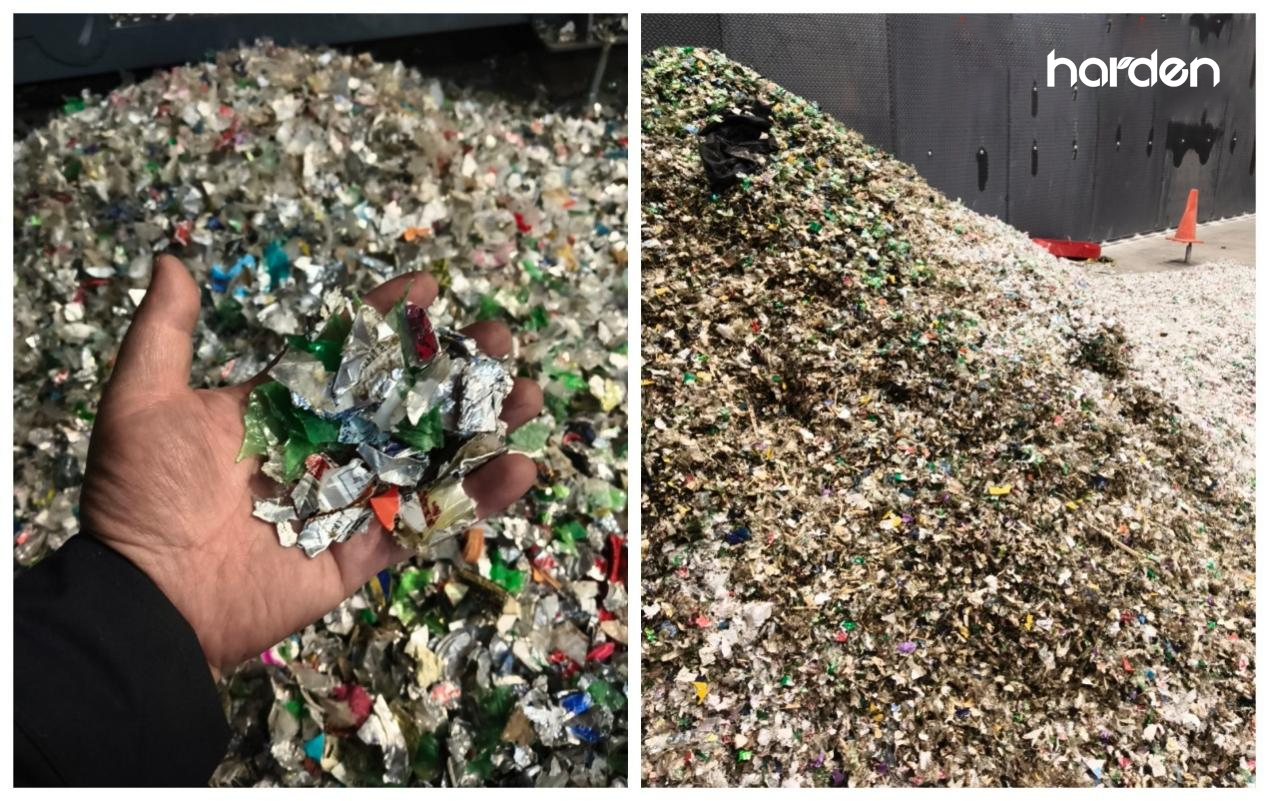
North American cement plants have strict requirements for alternative fuel quality. Fuel particles must be consistently below 50 mm. Oversized or elongated pieces can affect combustion efficiency in cement kilns.
After several rounds of technical evaluation and on-site inspections, the customer chose Harden's One-Step Shredder to meet these requirements.
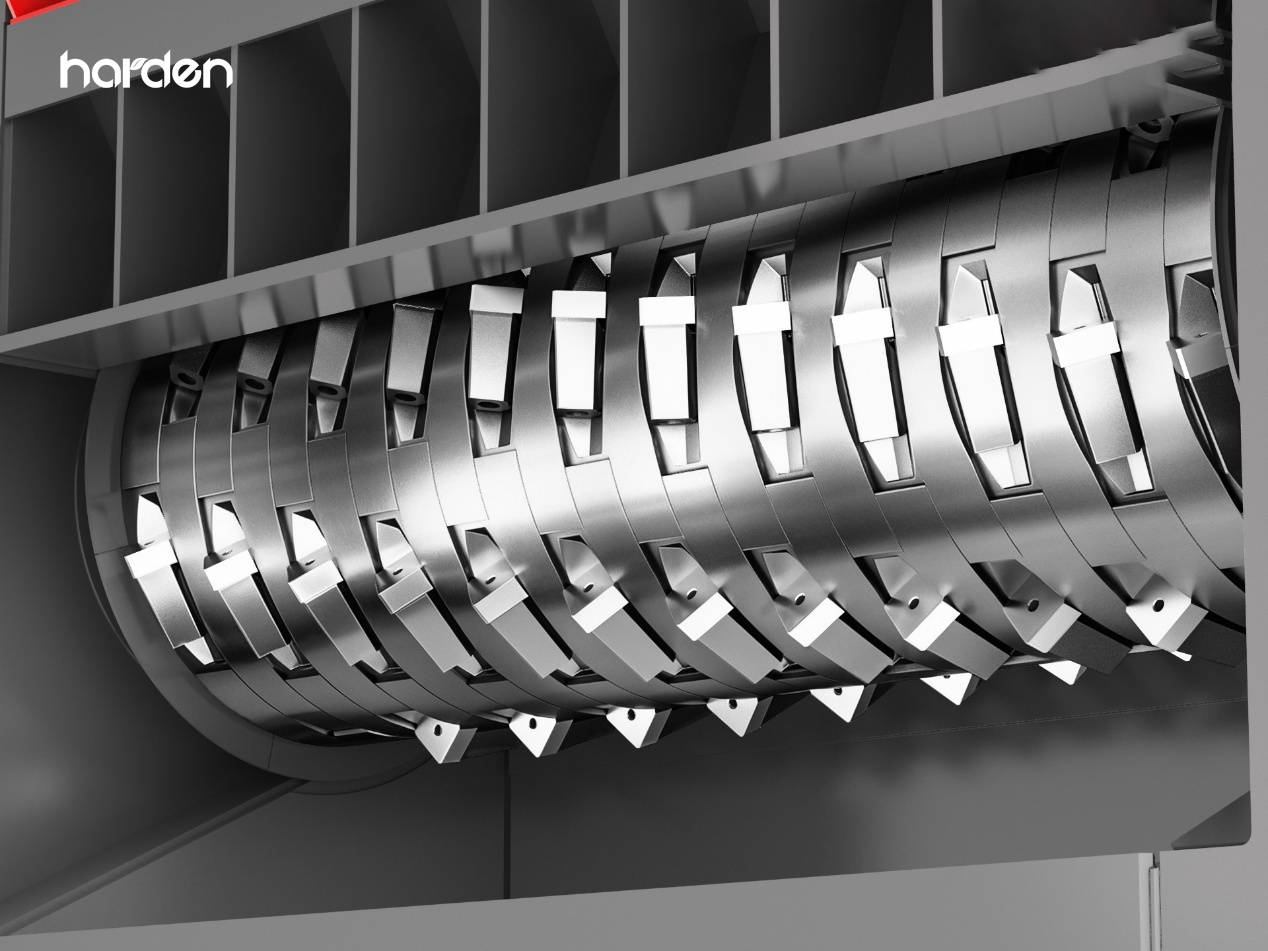
With just one machine, the system simplifies the entire shredding process, eliminating the need for multiple shredders connected in series while producing uniform RDF particles in a single step.
The project has been running reliably for over a year, processing up to 100 tonnes of material per day.
More than 95% of the final output is below 50 mm.
The output consistently meets the demanding requirements of the North American RDF market.

2. Lower Energy Consumption and Maintenance Costs
In North America, high electricity prices and facility rental costs put significant pressure on RDF plant profitability. Both initial facility investment and ongoing operating expenses have a direct impact on the project's financial performance.
Traditional multi-stage shredding systems require several machines connected in series, resulting in higher energy consumption, electricity bills and maintenance costs.
Harden's One-Step Shredder addresses these challenges through an integrated single-machine design.
20% lower energy consumption compared with traditional multi-stage shredding systems.
38% lower maintenance costs, thanks to reduced equipment servicing and fewer component replacements.
Over USD 90,000 in annual operating cost savings.
83% less floor space required, occupying just 17% of the area needed by a traditional multi-stage shredding line.
On-site footage: North American industrial waste RDF processing plant
3. Simpler Maintenance, Less Labour Required
Labour costs in North America remain high. For local operators, equipment that is easy to maintain and requires fewer skilled workers offers a clear operational advantage.
Harden's One-Step Shredder is designed to simplify daily maintenance:
Blade adjustment and replacement can be carried out without dismantling the cutter shafts.
The entire blade maintenance process can be completed in just 4 hours.
Less reliance on specialist maintenance personnel.
Easier day-to-day operation, better suited to local labour conditions.

4. Intelligent Protection for Safer, More Reliable Operation
Industrial waste processing environments demand high levels of operational safety and equipment reliability. Harden's One-Step Shredder incorporates dedicated protection features to help keep production running smoothly.
Intelligent Overload Protection
When hard contaminants such as metal or stones enter the shredder:
The system automatically stops to prevent damage.
Operators can inspect and remove foreign objects within 10 minutes, allowing production to resume quickly.

Core cutting components are protected against impact damage and unnecessary wear.
Unplanned downtime is minimised, helping maintain consistent production.
User-Friendly Control System
The integrated control system allows operators to start and stop the machine at the touch of a button via the control panel. This simplifies operation, reduces the learning curve and improves operational safety.
5. Heavy-Duty Cutting System for Diverse Waste Materials
RDF production involves a wide range of waste materials, each with different physical properties. Harden's One-Step Shredder features a high-strength, wear-resistant alloy steel cutting system, designed to handle demanding and mixed waste streams.
It delivers reliable shredding performance across a variety of materials, including:
Tough waste textiles.
Flexible plastic films that tend to wrap around cutting components.
Dense leather offcuts.
Paper mill waste.
This versatility allows the machine to handle complex feedstock without compromising operational stability.
Why Did the Customer Choose Harden?
When asked why the company decided to work with Harden, its management team highlighted several key reasons:
Market-focused solutions: Harden's product range is designed to meet the practical requirements of local waste processing businesses.
Quality and compliance: Manufacturing processes and quality standards meet relevant European and North American industry requirements.
Proven project experience: Harden has already delivered multiple advanced solid waste processing systems across North America and Europe.
Lower operating costs: Our equipment and integrated solutions help customers reduce OPEX and improve the value recovered from waste.
Reliable after-sales support: Dedicated overseas service teams and strategically located spare parts warehouses help ensure a fast response when customers need support.
Making RDF Production More Efficient and Profitable
Today, Harden's One-Step Shredder has been deployed in more than 20 projects across China, North America, Southeast Asia and other regions.
By addressing common challenges in traditional RDF processing, including inconsistent output size, complicated multi-stage processes and excessive floor space requirements, Harden provides waste recycling businesses worldwide with a proven approach to reducing costs and improving operational efficiency.
Our goal is simple: to help customers move beyond waste compliance and turn waste processing into a more profitable resource recovery business.
