


What Makes Raising Thermal Substitution Rates (TSR) So Challenging for Cement Plants?
1. Understanding TSR and Its Operational Importance
Thermal Substitution Ratio (TSR) measures the percentage of total kiln heat demand supplied by waste-derived alternative fuels (AF) instead of fossil fuels. Higher TSR directly translates to greater coal savings and significant carbon reduction.

Globally, the regional gaps in TSR adoption remain stark:
Germany (2017): 68.3%
United Kingdom (2017): 51.2%
EU-28 Weighted Average (2017): 44.5%
European Union (2022): Raised to ~58%
In developing markets, average TSR historically hovered around 5%. While industry leaders have pushed individual facilities past 60% through supply chain innovation and advanced kiln retrofits, the broader industry average remains comparatively low.

With national decarbonization frameworks targeting a 10% alternative fuel consumption share by the end of 2025, doubling overall average rates in a tight timeframe presents severe technical and operational hurdles across four core dimensions: feedstock, process engineering, capital economics, and regulatory frameworks.
2. Challenge 1: Feedstock Instability & Fuel Variability
A. Complex Sources and Heating Value Fluctuations
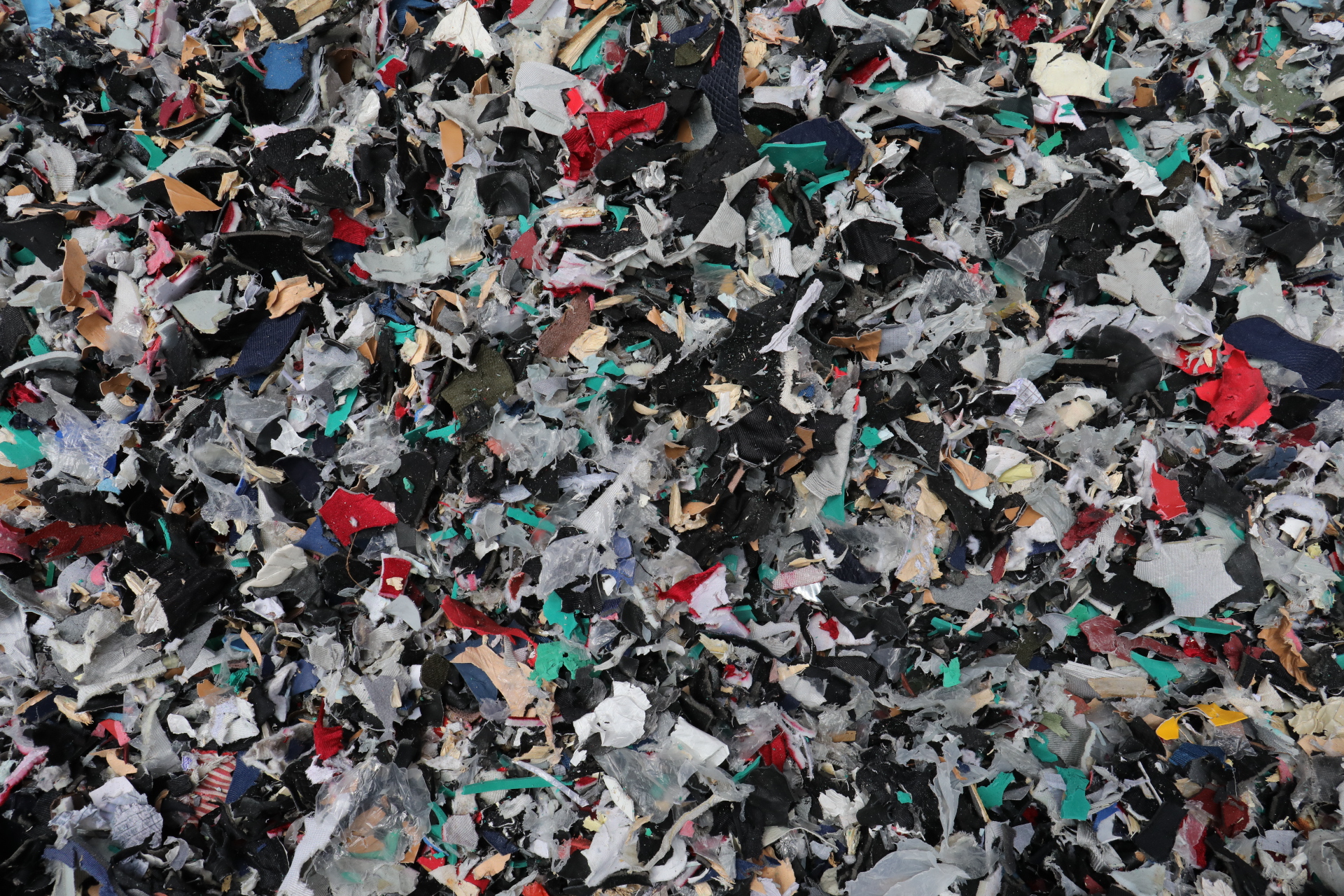
Alternative fuels originate from diverse waste streams: municipal solid waste (MSW), scrap tires, waste textiles, leather rejects, agricultural biomass, and commercial waste. This heterogeneity causes extreme calorific volatility, often swinging wildly between 2,500 - 4,500 kcal.
Such instability disrupts thermal equilibria inside the kiln, causing rapid temperature fluctuations that compromise clinker quality and drive up specific energy consumption.
B. High Moisture, Ash Content, and Poor Combustion
Compared to pulverized coal, raw alternative fuels differ vastly in physical uniformity, particle size, and moisture:
High moisture and ash content slow down devolatilization and ignition.
Oversized fractions fail to burn completely before falling onto the clinker bed.
Direct feeding of raw waste often introduces stray cold air, dropping exhaust temperatures and paradoxically forcing operators to burn more coal to stabilize heat output.
C. Harmful Trace Elements: Chlorine, Sulfur, and Alkalis
Alternative fuels introduce elevated levels of chlorine, sulfur, potassium, and sodium. As TSR increases, these elements accumulate proportionally within the pyroprocessing loop:
Volatilization and condensation cause heavy buildup, ring formation, and severe preheater blockages.
Maintaining clinker chlorine content below $0.02\%$ becomes increasingly difficult.
Left unmanaged, volatile cycles lead to frequent emergency shutdowns, reducing overall equipment effectiveness (OEE).
3. Challenge 2: Process Integration and Thermal Performance
A. Incomplete Combustion: The Primary Bottleneck
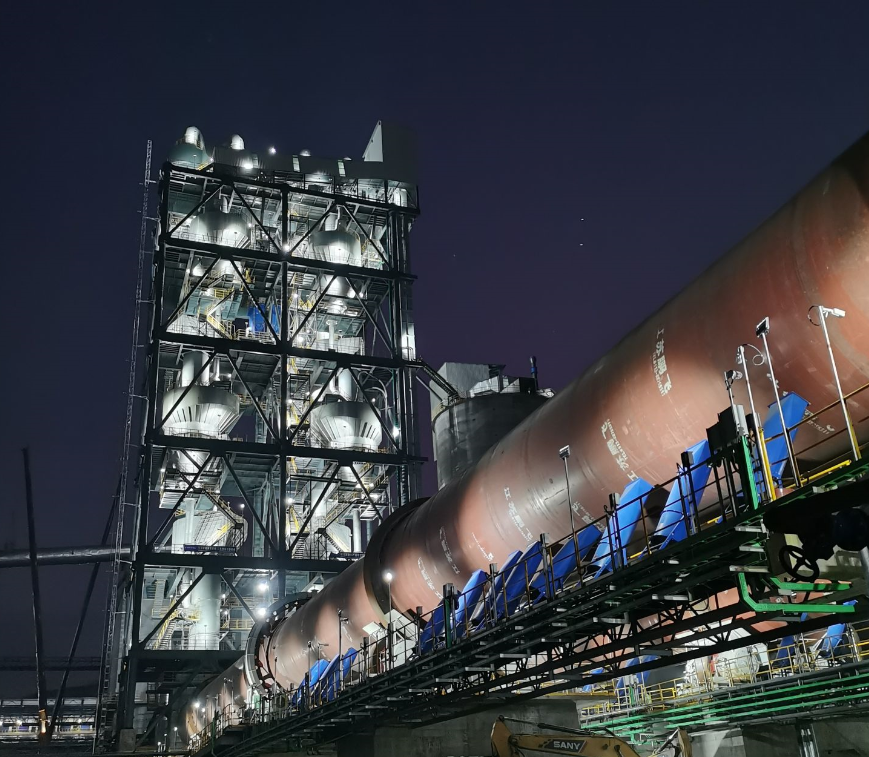
Pulverized coal burns rapidly as a fine, homogeneous suspension. In contrast, alternative fuels often enter the burner as a mixed stream of 3D chunks, 2D films, and 1D fibers requiring longer residence times and distinct oxygen mixing profiles. Simply feeding lump waste into the smoke chamber cannot sustain TSR levels above 20%. Exceeding this threshold demands systematic pyroprocessing upgrades.
TSR Advancement Stages & Engineering Barriers
0% – 25% TSR => Combustion lag, flame instability, buildup risk
25% – 60% TSR => Incomplete burnouts, heavy Cl/S accumulation, required Bypass Air Systems
45% – 90%+ TSR => High-performance AF burners, Oxy-fuel supply, high-spec shredded fuel (<30-50mm)
B. Progression Requirements Across TSR Stages
Stage 1 (0–25% TSR): Primary risks involve localized reduced atmospheres, temperature swings, and clinker quality variations.
Stage 2 (25–60% TSR): Unburnt fuel risks escalate significantly. Volatile accumulation requires the installation of a Bypass Air System to purge chlorides and alkali sulfates, introducing additional design complexities for dust processing.
Stage 3 (45–90%+ TSR): Demands high-performance multi-channel AF burners, oxygen-enriched air supply, and strict feedstock preprocessing to produce low-moisture, fluffy, highly refined SRF/RDF.
Engineering Key Solution: Preprocessing with Harden Machinery
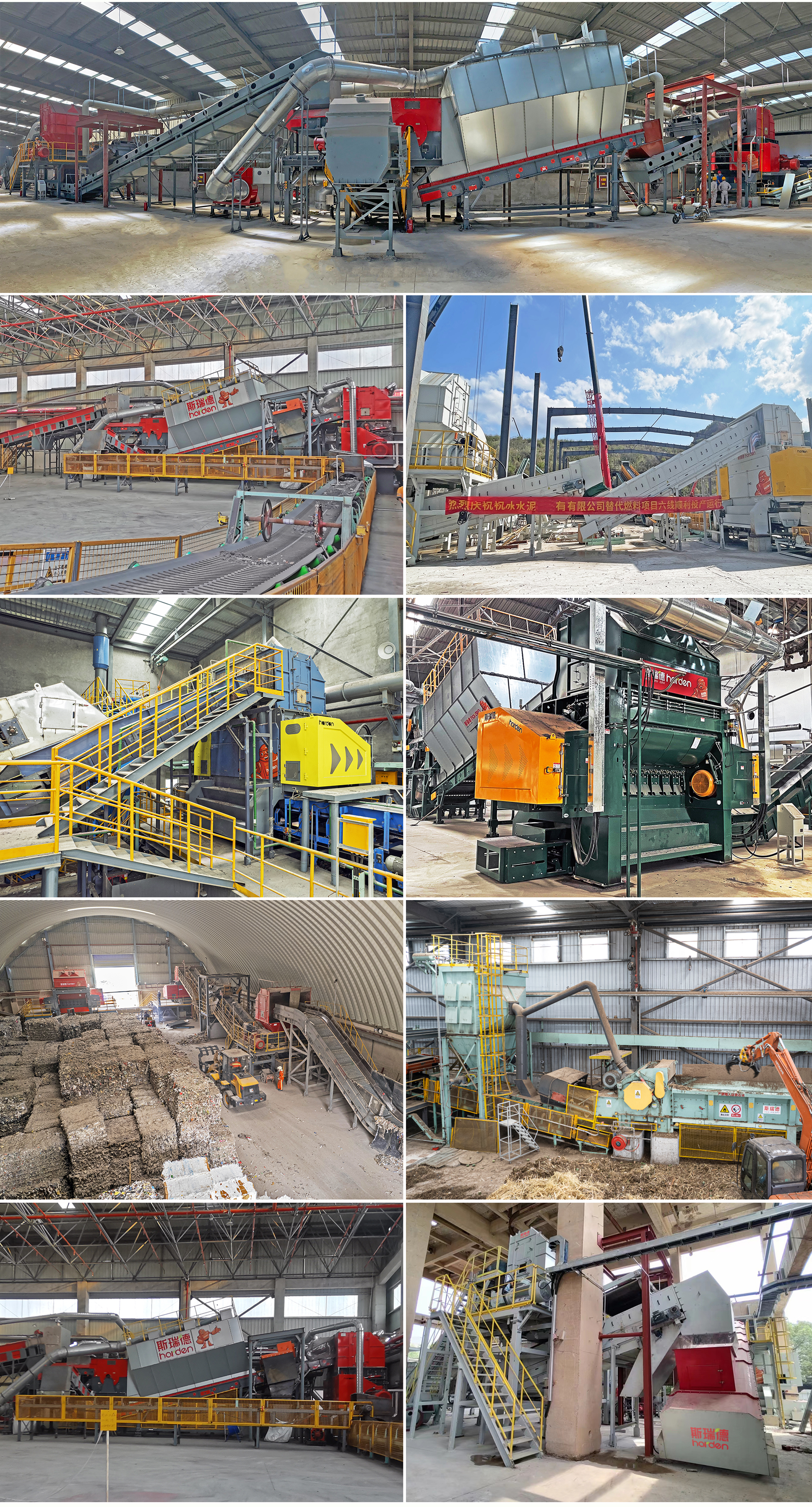
Overcoming combustion bottlenecks across all TSR stages starts with precision mechanical preprocessing. With 16 years of engineering experience in solid waste processing, Harden delivers modular, high-precision AFR/RDF/SRF preparation systems that solve feedstock heterogeneity at the source.
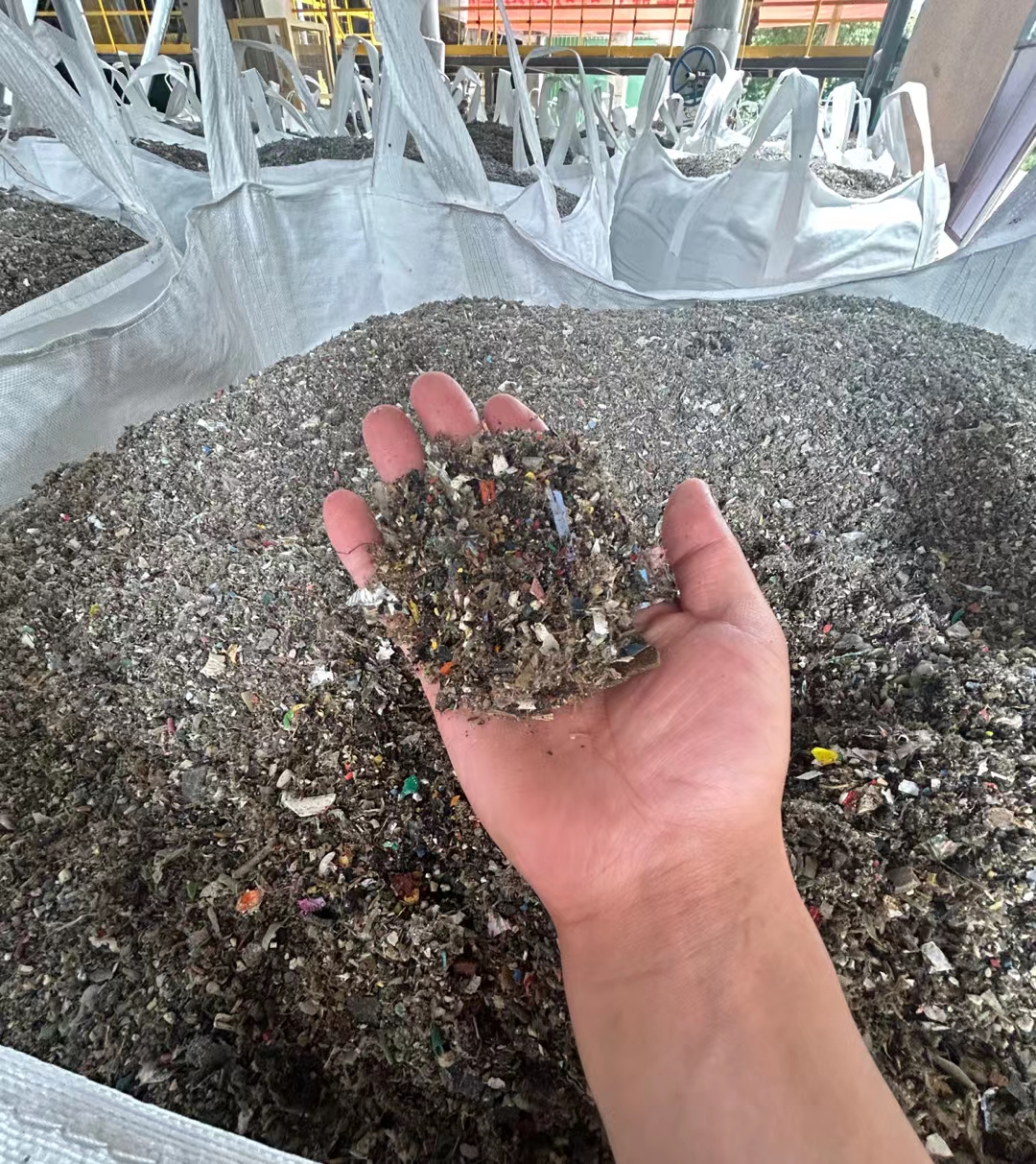
Raw Solid Waste Multi-Stage Shredding Homogeneous SRF/RDF
(Textiles, Plastics, MSW) => & Screening Circuit => (30–80mm Uniform Fluff)
Uniform Particle Sizing (30–80 mm): Multi-stage shredding and precision screening convert complex waste into a fluffy, standardized fuel matrix, eliminating long-strip contaminants and oversized chunks.
Optimized Ignition & Burnout: Controlled particle geometry ensures uniform heat absorption, rapid ignition, and synchronized combustion rates inside the calciner.
Reduced Kiln Disruptions: By eliminating localized unburnt material, Harden’s shredding technology prevents preheater coating, ring formation, and clinker quality drop—providing a stable baseline for high TSR targets.
4. Challenge 3: Financial CAPEX & Payback Barriers
Boosting TSR requires substantial capital investment beyond purchasing raw waste. Retrofitting a plant involves complex upstream and downstream upgrades:
Specialized storage and dosing systems
Multi-stage preprocessing and shredding machinery
High-momentum alternative fuel burners
Bypass air systems and oxygen enrichment units
Integrated digital automation and process controls
For many cement producers, full-scale TSR retrofits can require significant capital investments with multi-year payback periods. Under tight profit margins, high upfront CAPEX remains a significant deterrent to aggressive decarbonization upgraes.
5. Challenge 4: Policy & Regulatory Frameworks
Historically, the lack of standardized technical specifications and safety criteria for alternative fuels slowed adoption. Recent updates—such as technical specifications introducing standardized TSR benchmarks—mark major progress, but implementation across regional markets takes time.
While national targets mandate higher alternative fuel adoption, policy frameworks in many regions still lack direct targeted subsidies or fully integrated carbon trading mechanisms to incentivize initial capital investment in fuel substitution.
Conclusion: A Complete Chain Transformation
Achieving high TSR is a comprehensive system transformation extending from raw waste sorting to kiln emissions. It tests both a cement producer's technical capabilities and long-term strategic resilience.
Driven by global net-zero mandates, alternative fuel substitution is no longer a temporary experiment—it is an operational imperative. Cement producers that overcome these technical barriers through reliable preprocessing and optimized pyroprocessing will gain a decisive competitive advantage in sustainable manufacturing.
