

RDF Plants for Cement Kilns: Choosing the Right Route

Leading cement producers have already achieved fuel substitution rates above 27%. Yet even with similar RDF plants, profitability can differ by up to 40%.
The core reason is equipment selection: whether investment follows industry trends blindly or is based on feedstock characteristics, regulatory requirements, and kiln compatibility.
This article outlines the fundamental logic of RDF plant design, using data to help avoid common selection pitfalls and identify the most cost-effective pathway.

1. Start with Feedstock: Two Routes That Define Investment and Cost
The key challenge for RDF plants is matching feedstock characteristics with the appropriate process. Different materials require completely different configurations, which ultimately determine operating cost.
Route 1: Clean Feedstock (<10% impurities) → One-Step Shredding Solution
Typical materials: clean industrial waste, waste textiles, biomass, with minimal contaminants and strong fibrous characteristics. Complex sorting is generally unnecessary.

Core principle: prioritise a one-step shredding solution to avoid the additional energy use and space requirements associated with multi-stage conveying.
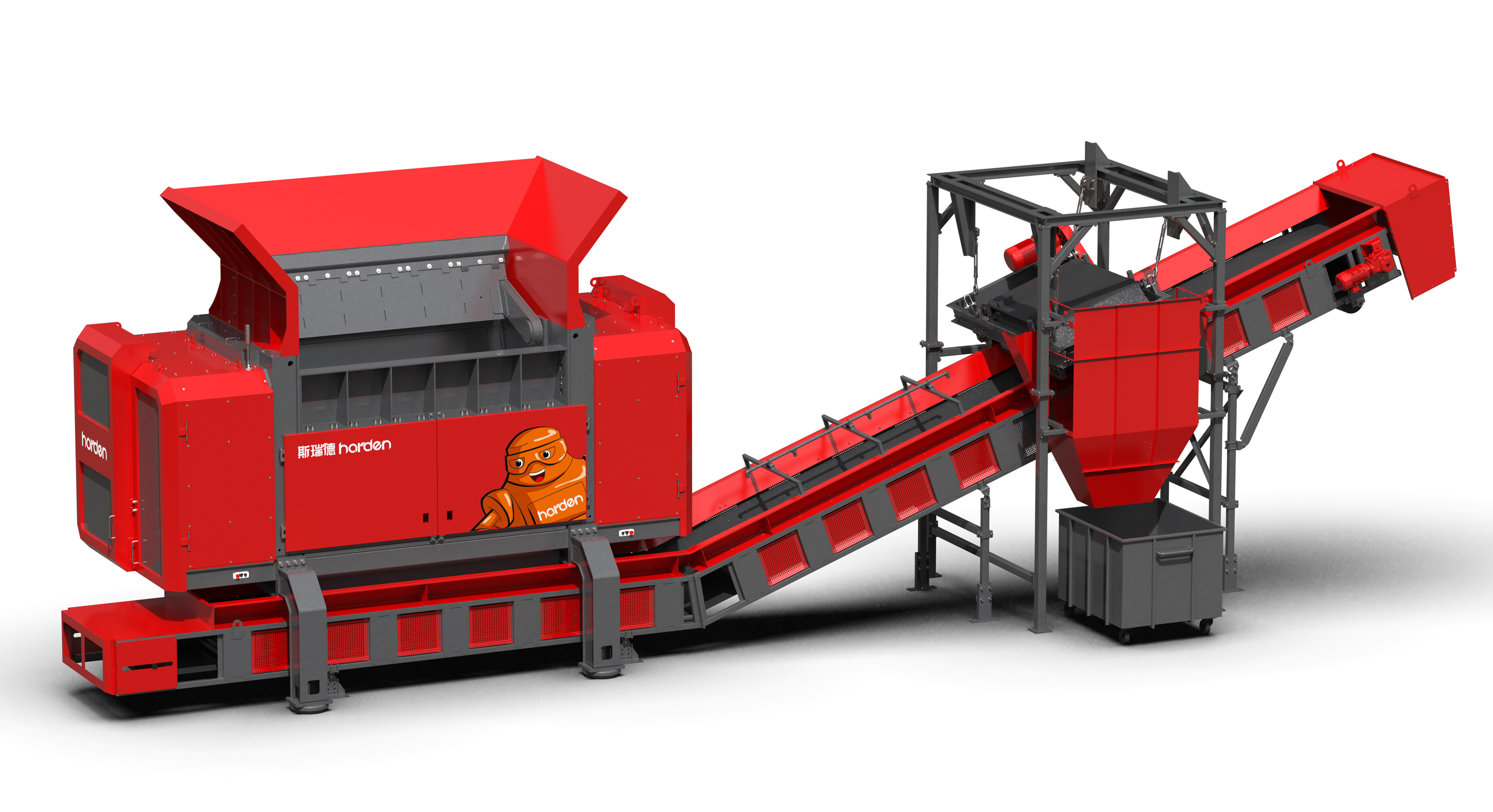
Key configuration (entire process within ~105 m²)
Single-shaft shredder (core unit, prevents material wrapping)
Conveyor with fire-protection system
Magnetic separator (removal of minor metal contaminants) & Automatic grab feeding system
Cost advantages (case study: 70,000 t/year plant in Guangdong)
Processing cost: $11.43/t (industry average typically $15.71+ /t)
Electricity savings: 20%+ annually, with energy consumption around 16 kWh/t (≈30% lower than conventional systems)
Footprint reduction: 600 m² → 105 m² (82% smaller), reducing annual rent from $68,571 to $12,286
Maintenance downtime reduced by 60%, efficiency improved by 28%

Integrated screen ensures uniform particle size, delivering more stable RDF calorific value for cement kiln use.
Route 2: Complex Feedstock (>10% impurities) → High-Calorific RDF Production Line
Typical materials: mixed industrial waste, lightweight fractions from construction and demolition waste, aged landfill waste, and municipal solid waste.
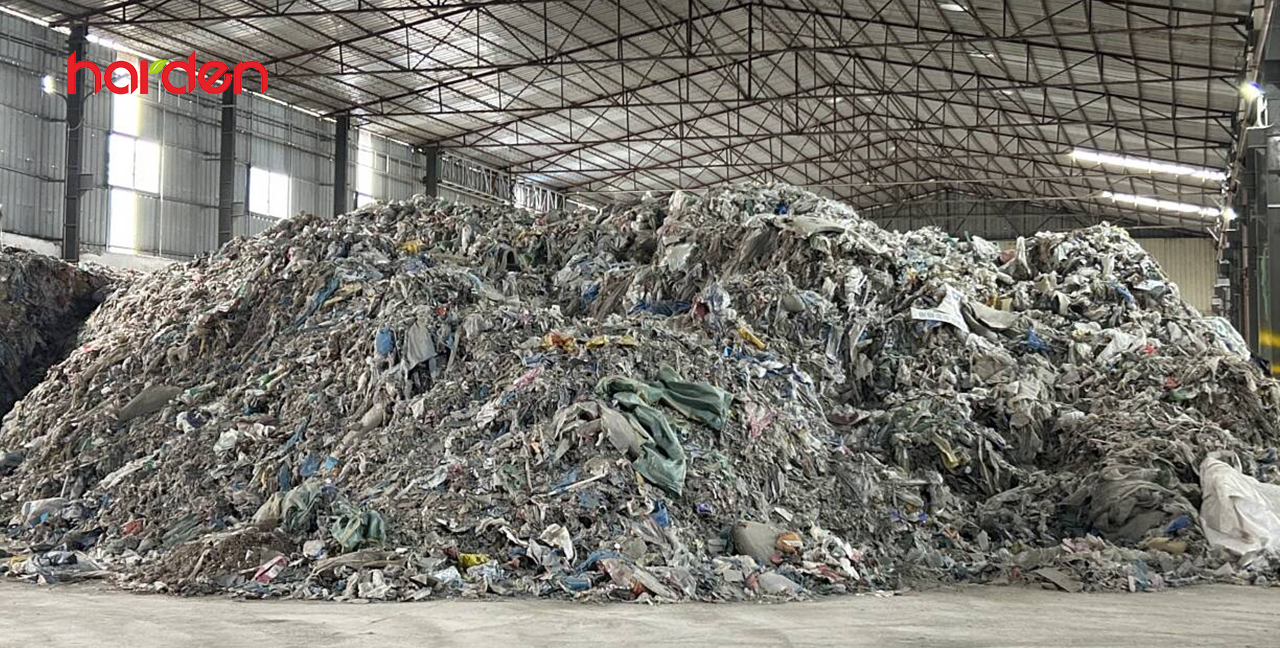
Direct shredding would dramatically increase equipment wear and produce RDF with >15% impurities, posing risks to cement kilns.
Core principle: combine pre-treatment and advanced shredding to control impurity levels and hazardous elements.
Key process configuration (multi-stage treatment)
Primary shredding: reduce size to <500 mm
Magnetic separation: remove metals (removal efficiency >95%)
Air separation + screening: separate light combustibles from heavy contaminants
Secondary shredding: produce ≤50 mm RDF with <3% impurities

End-use benefits
Calorific value increased to 4,000–5,200 kcal/kg, approaching standard coal
Reduced abrasive impurities, lowering cement kiln lining wear and maintenance costs
Ensures compliance with chlorine content limits for kiln feeding.
2. Kiln Compatibility: RDF Plants Must Follow Kiln Requirements
The ultimate purpose of an RDF plant is to deliver stable alternative fuel for cement kilns. Equipment and process design must therefore align with kiln operating conditions.
Key compatibility principles
Stable calorific value: fluctuations should be controlled within ±300 kcal/kg to prevent kiln temperature instability and clinker quality issues.
Uniform particle size:
40–100 mm for clean feedstock
≤50 mm for complex feedstock
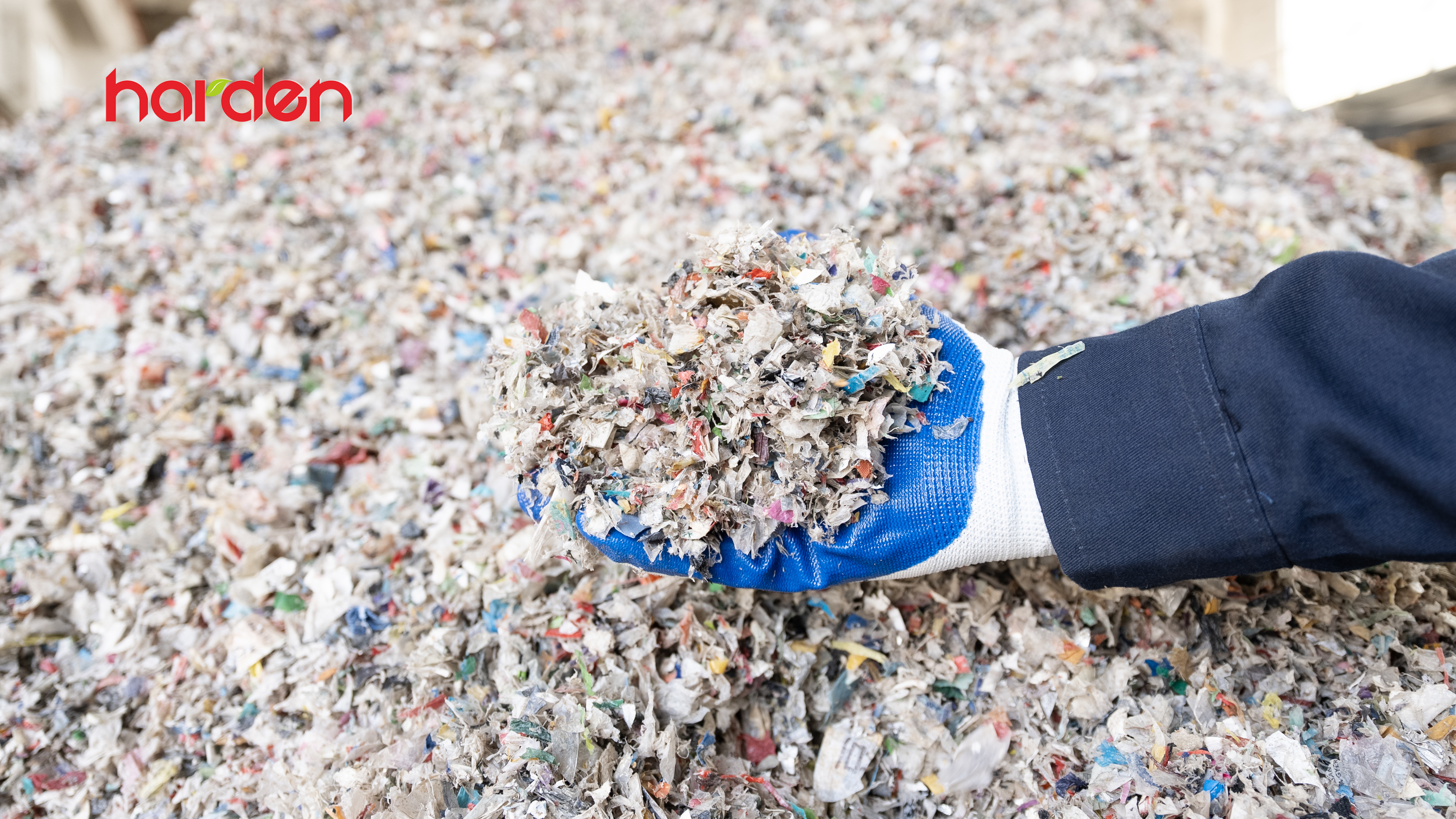
Oversized particles restrict airflow, while overly fine material may cause incomplete combustion.
Gradual substitution rate: start at 10–15%, then increase to 20–30% after stable operation to avoid kiln imbalance.
Case study – Cement plant in Hubei
Solution: multi-stage sorting + refined shredding for mixed solid waste
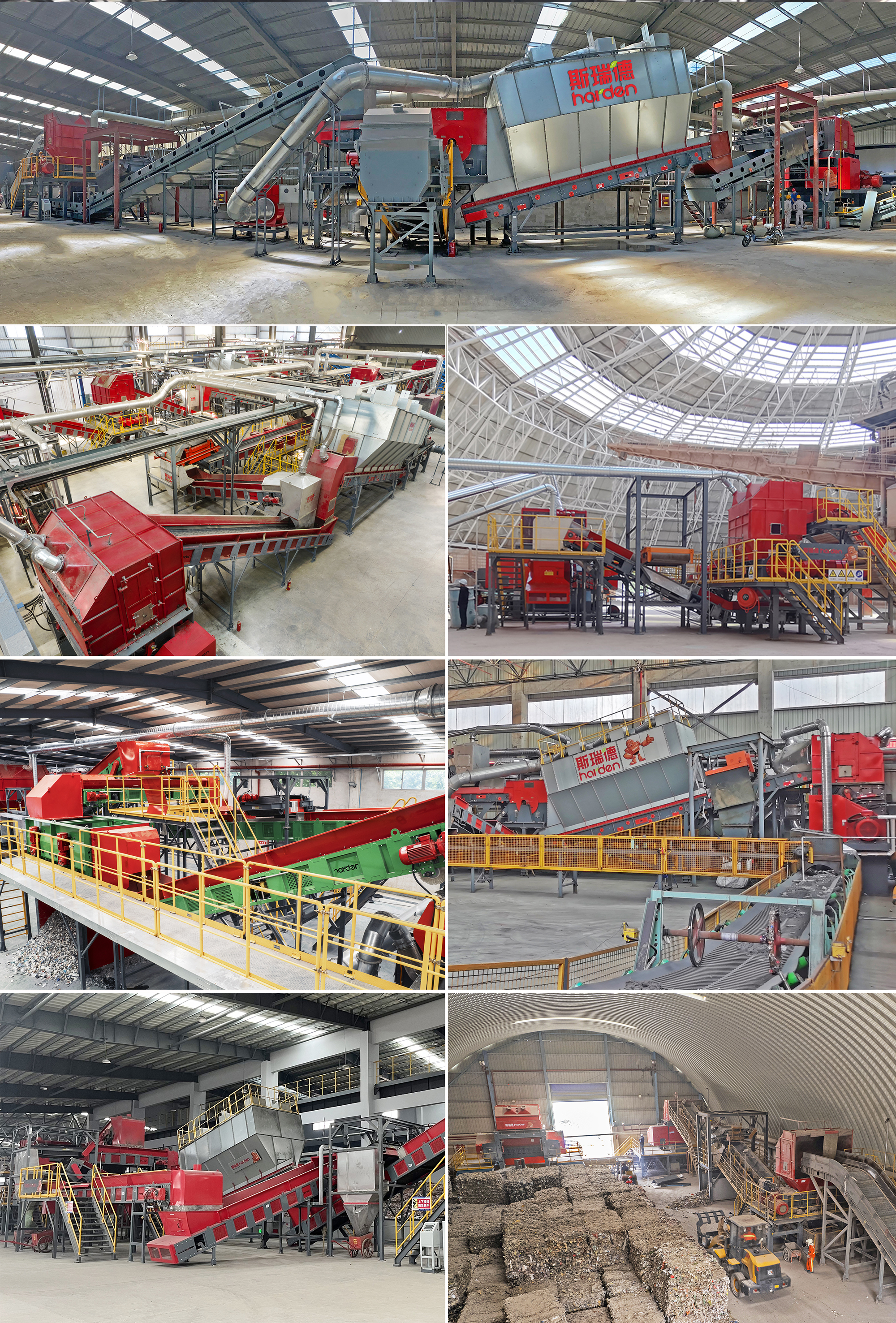
Performance:
Annual RDF usage: 70,000 tonnes
Fuel substitution rate: 27.14%
Coal consumption reduced by 13.98 kg/t clinker
Annual fuel cost savings: ≈$1.43 million
CO₂ emissions reduced by over 100,000 tonnes per year
3. Equipment Selection Is a System Decision, Not a Single Machine Purchase
Choosing an RDF plant is never simply about selecting a specific brand or machine. It requires system thinking, aligning feedstock, process design, regulatory requirements, and kiln compatibility.
Small RDF plants / clean feedstock: adopt a light-asset model with a one-step shredding solution, enabling low operating cost and rapid policy-driven market entry.
Large cement groups / complex feedstock: implement refined processing lines to ensure fuel quality and support higher substitution rates across diverse waste streams.
Core principle: Regardless of the route, environmental compliance and kiln compatibility are non-negotiable. Low cost alone cannot guarantee sustainable operation.
As policies supporting RDF alternative fuels continue to expand, industry standards will become increasingly clear. Standardised RDF plant design and equipment selection will therefore become the norm.
Choosing the right route not only reduces fuel costs but also unlocks the full value chain of waste-to-resource utilisation, positioning cement producers at the forefront of the low-carbon transition.
