


How to Remove Impurities and Control Particle Size Before Waste Plastic Pyrolysis: Harden Machinery’s DWS Pre-Treatment Solution
Waste plastic pyrolysis is an important technology for plastic resource recovery. Polyethylene (PE), polypropylene (PP) and polystyrene (PS) are generally considered more suitable for pyrolysis than PVC and PET, although actual results depend on feedstock composition and process conditions.

1. Which Waste Plastics Are Suitable for Pyrolysis?
Preferred feedstock: Waste plastics with a high content of polyolefins, such as PE and PP.
Key contaminants to control: Metals, glass, soil and other unwanted materials. Plastics such as PVC also require careful control because they can introduce chlorine-related risks during thermal processing.
Pre-treatment objectives: Reduce material size, remove some contaminants and control the output particle size to meet the requirements of downstream pyrolysis equipment.
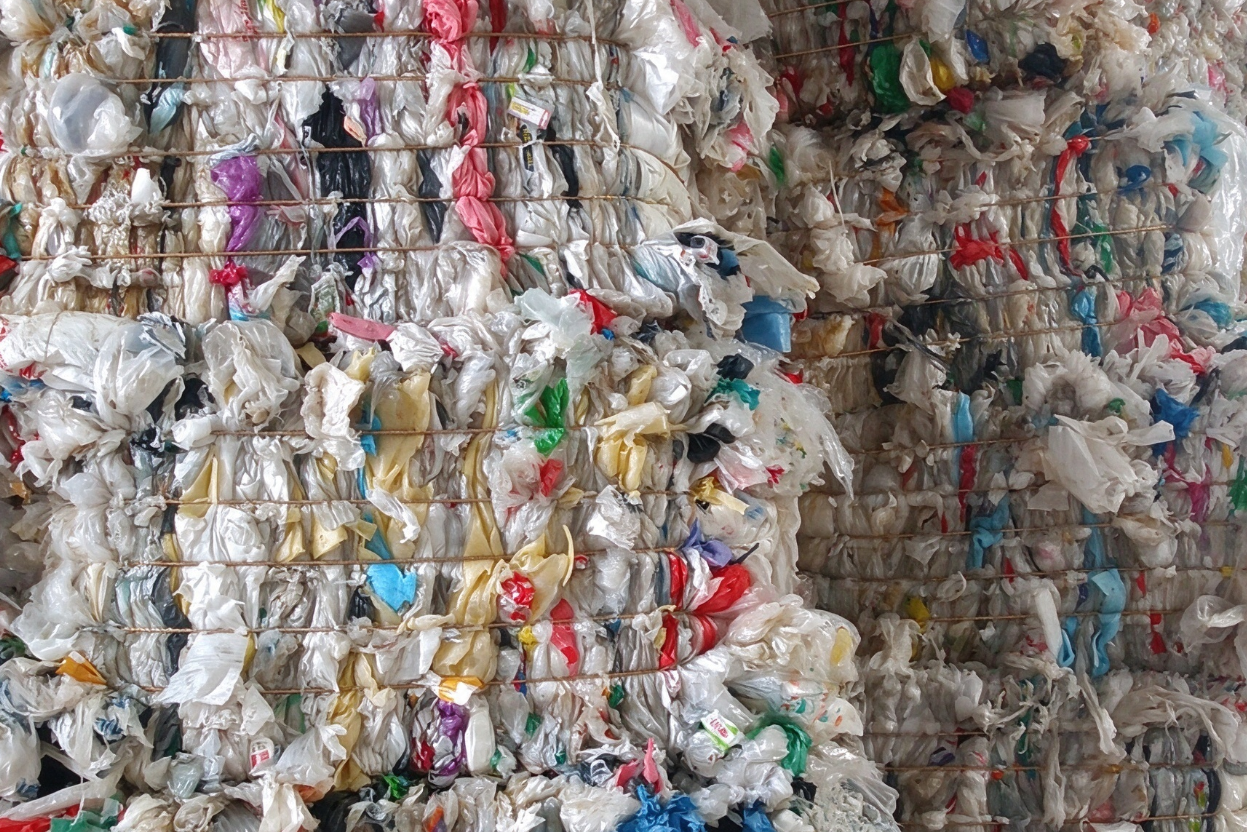
A typical waste plastic pyrolysis process includes:
Feedstock Sorting → Shredding and Contaminant Removal → Particle Size Control → Pyrolysis → Product Treatment
The exact process depends on feedstock quality and the requirements of the pyrolysis system.
2. Harden Machinery DWS Pre-Treatment Solution: 10–30 t/h Capacity, 30–80 mm Output
To address impurity separation and particle size control in mixed waste plastic processing, Zhongshan Harden Machinery Environmental Technology Co., Ltd. offers the DWS waste plastic pre-treatment solution.
The system combines three key machines:
Twin-Shaft Shredder + Wind Shifter + Single-Shaft Shredder
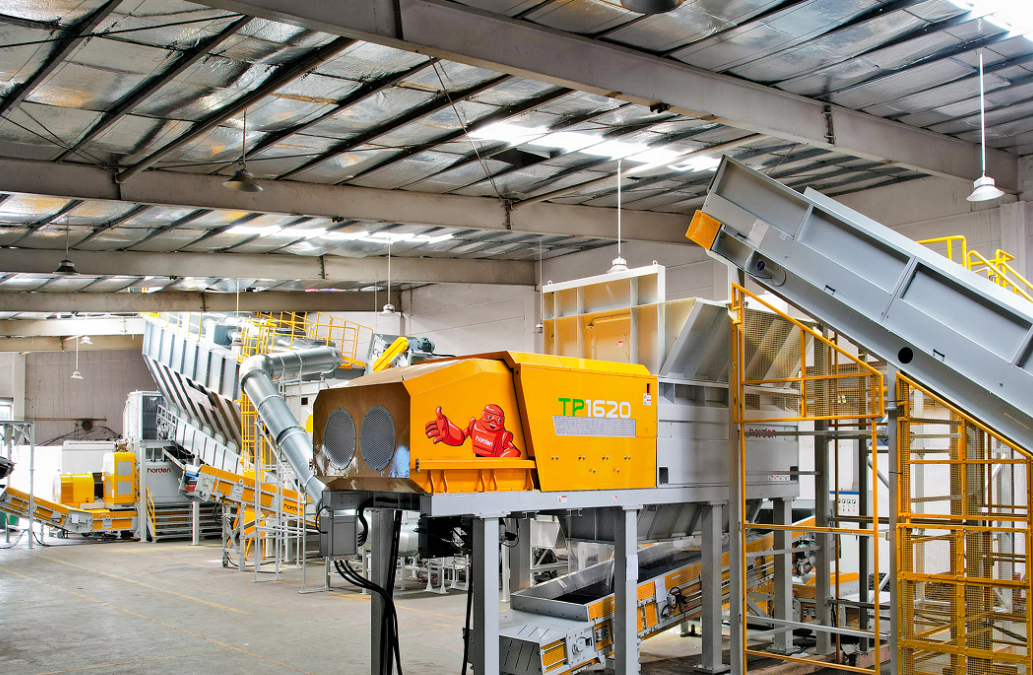
Step 1: Twin-Shaft Shredding for Bulky and Irregular Plastics
Large, irregular waste plastics can be difficult to separate efficiently without pre-treatment.
The twin-shaft shredder performs primary size reduction, making the material easier to handle and preparing it for the next separation stage.
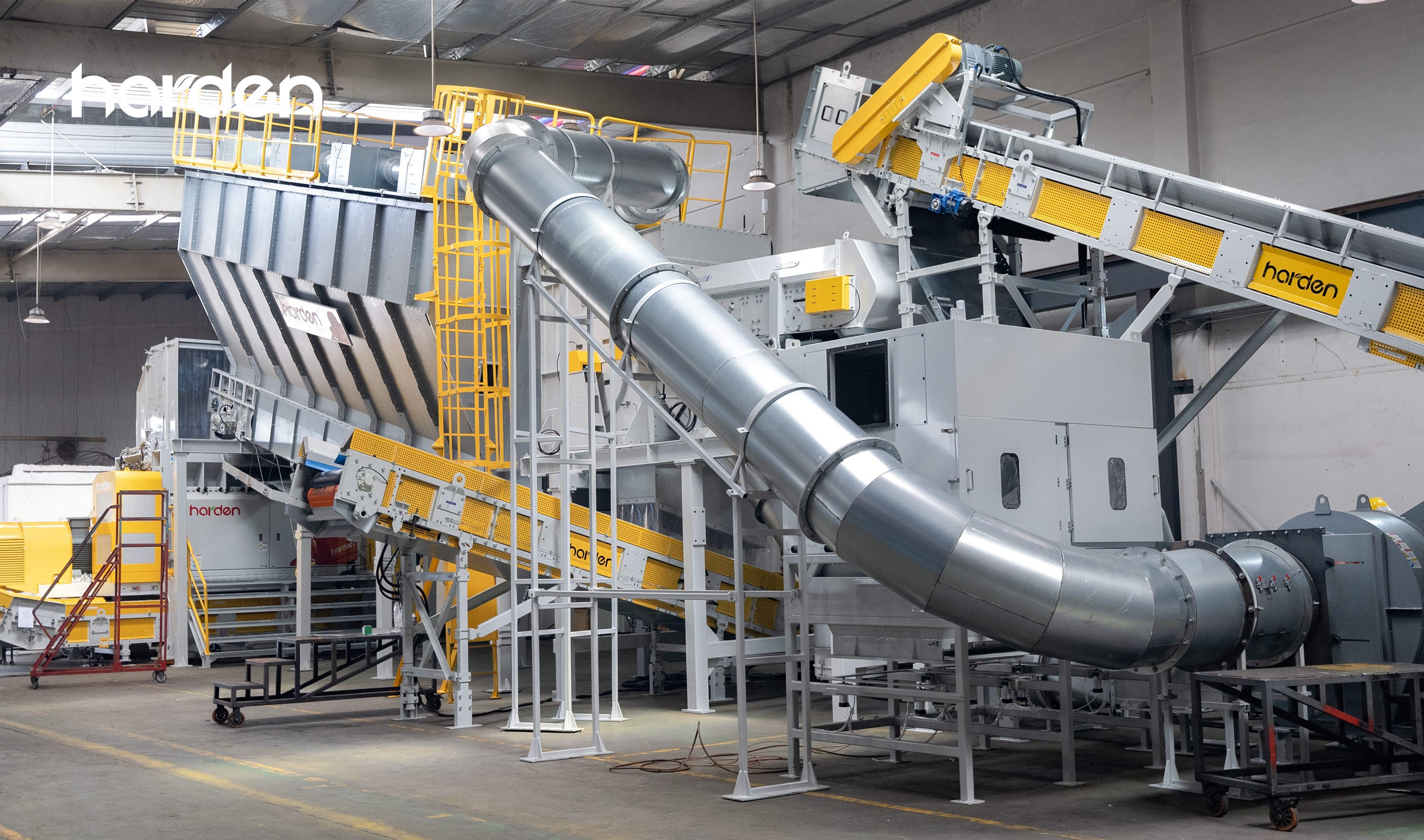
Step 2: Wind Shifting to Separate Light Plastics from Heavy Contaminants
Mixed waste plastics may contain heavier contaminants that affect downstream processing.
The Wind Shifter uses differences in aerodynamic behaviour to separate suitable lightweight materials from heavier fractions, helping reduce the amount of heavy contaminants carried into the next stage.
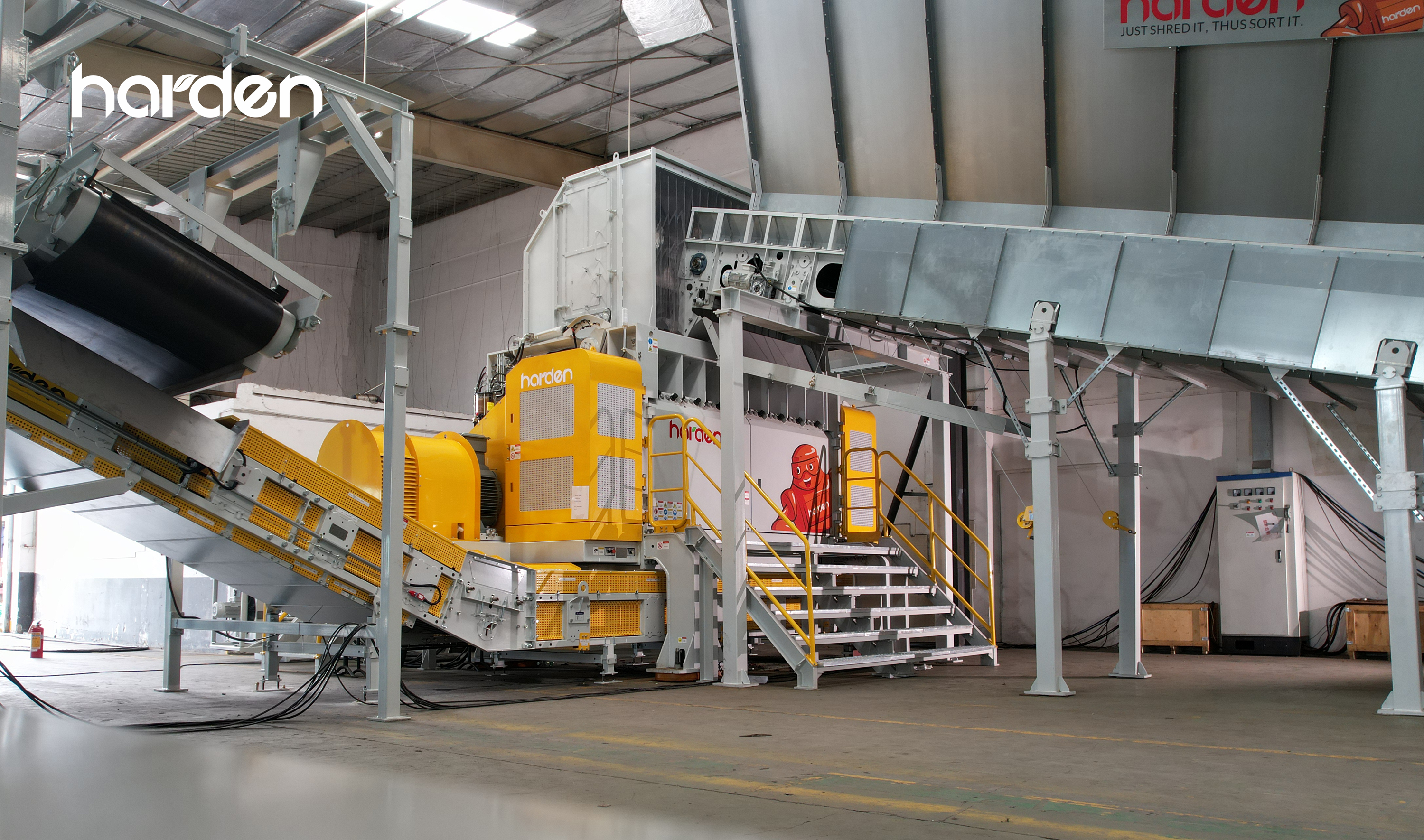
Step 3: Single-Shaft Fine Shredding for More Consistent Output
After wind separation, the lightweight fraction enters the single-shaft shredder for secondary size reduction.
This stage helps produce smaller, more consistent material for downstream processing.
Key Specifications of the Harden Machinery DWS Solution
Processing capacity: 10–30 t/h
Output particle size: 30–80 mm
Process configuration: Twin-shaft primary shredding → Wind shifting → Single-shaft fine shredding
These figures are system configuration specifications. Actual throughput and output size depend on feedstock characteristics and the selected equipment configuration.
3. Why Is Shredding Alone Not Enough for Pyrolysis Pre-Treatment?
Shredding reduces material size, but it cannot remove all contaminants by itself.
By combining primary shredding, wind separation and secondary shredding, Harden Machinery’s DWS solution helps plastic recycling companies reduce material size, separate some contaminants and improve output particle size consistency. This supports more effective feedstock preparation before pyrolysis.
However, wind separation cannot replace the identification and sorting of specific plastic types, such as PVC and PET. The pre-treatment process must be designed around the feedstock quality requirements of the individual pyrolysis project.
About Harden Machinery Machinery
Zhongshan Harden Machinery Environmental Technology Co., Ltd. (Harden Machinery Machinery Ltd.) specialises in solid waste shredding and screening equipment and pre-treatment solutions.
For waste plastic recycling and pyrolysis pre-treatment, Harden Machinery’s DWS solution combines twin-shaft shredding, wind shifting and single-shaft fine shredding to help optimise feedstock preparation and meet downstream processing requirements.
