


Solving the Challenges of Bulky Waste: An Industrial-Grade Resource Recovery Transformation
As furniture replacement cycles shorten to just 3–5 years, "behemoths" like old sofas, broken wardrobes, and discarded mattresses now account for 10% of total urban waste.

Traditional disposal methods—relying either on manual dismantling (taking 30 minutes per item) or direct landfilling—are not only inefficient but also result in significant resource waste. Currently, the resource recovery rate in most domestic treatment plants remains below 30%.
To address the industry pain points of "difficult disposal, inefficient processing, and environmental hazards," Harden (Harden Machinery Ltd.) provides a textbook solution.
As a leading solid waste management enterprise and a multi-year recipient of the National "Little Giant" award for specialized and innovative enterprises, we leverage 15 years of technical expertise to turn bulky waste from a "hot potato" into a "green gold mine."

I. The 4-Step "Magic" Process: The Metamorphosis of Bulky Waste
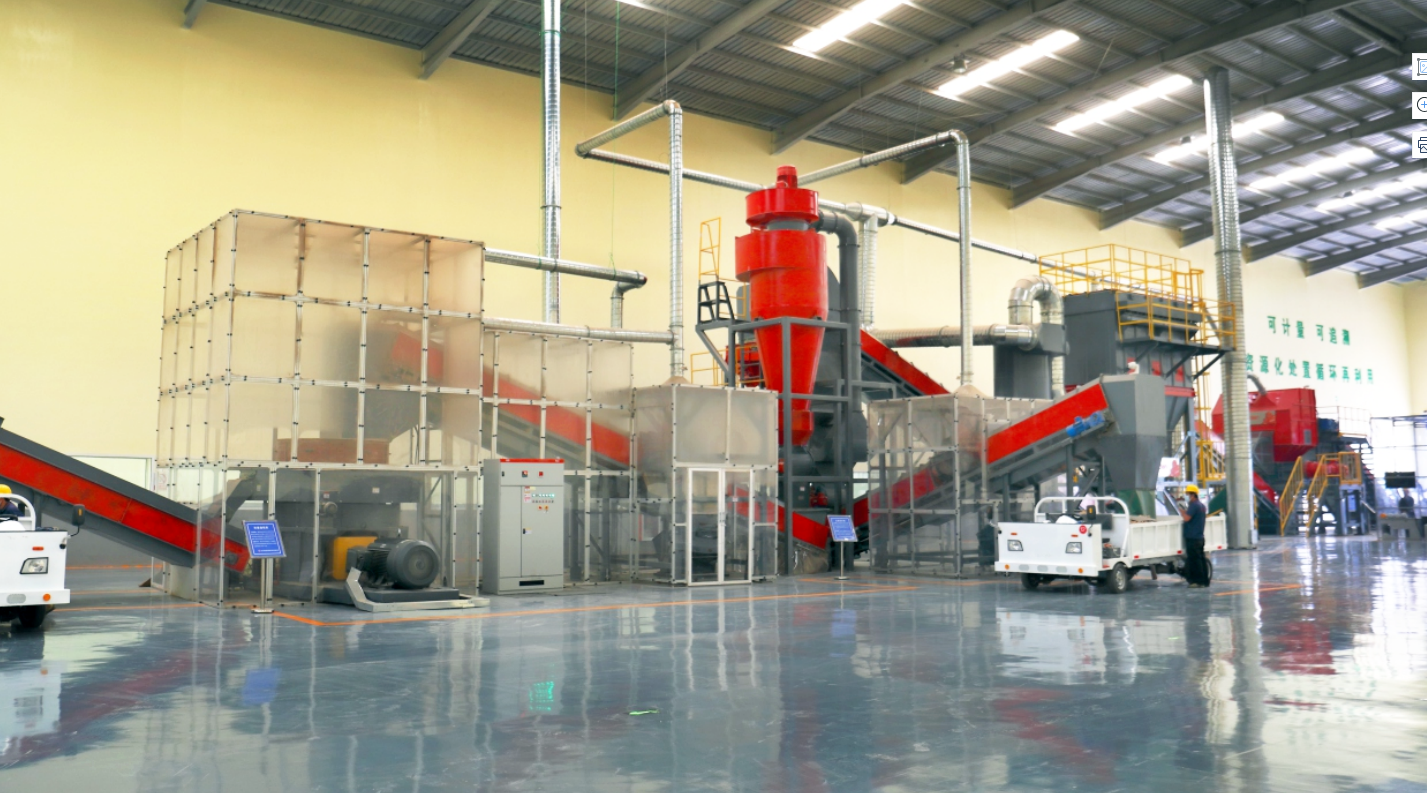
The Harden Bulky Waste Resource Recovery System completely replaces manual dismantling. Through a modular combination, it achieves "finer shredding, faster separation, and more accurate sorting." The entire process is automated and pollution-free:
Primary Shredding & "Slimming": Our Twin-Shaft Shredder utilizes a dual shearing and tearing process to easily handle solid wood frames and spring mattresses, solving the "jamming" issues common in traditional equipment.

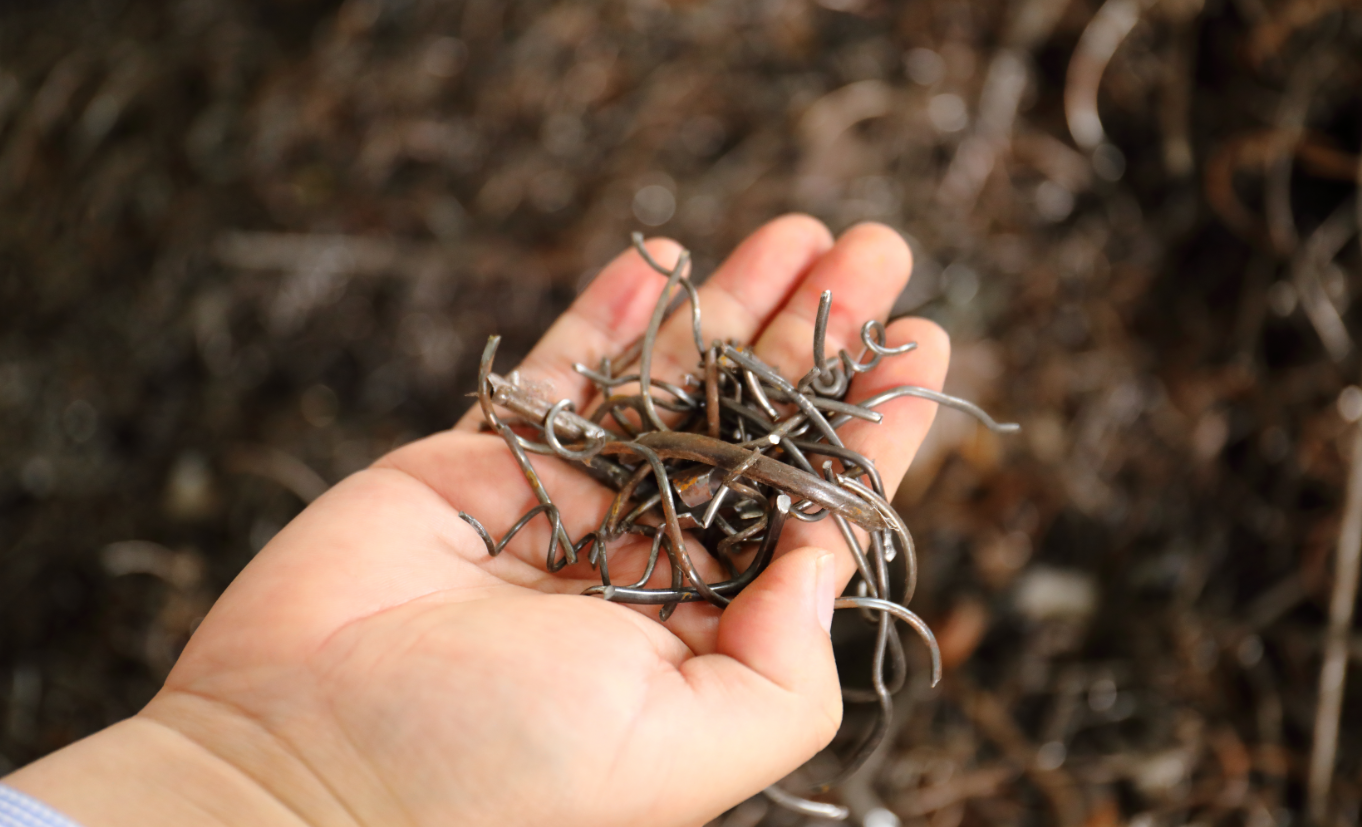
Magnetic Separation & "Gold Mining": A built-in high-precision magnetic separation system accurately captures metal impurities. The recovered metal can be sent directly to steel mills for recycling, with a recovery rate exceeding 95%.
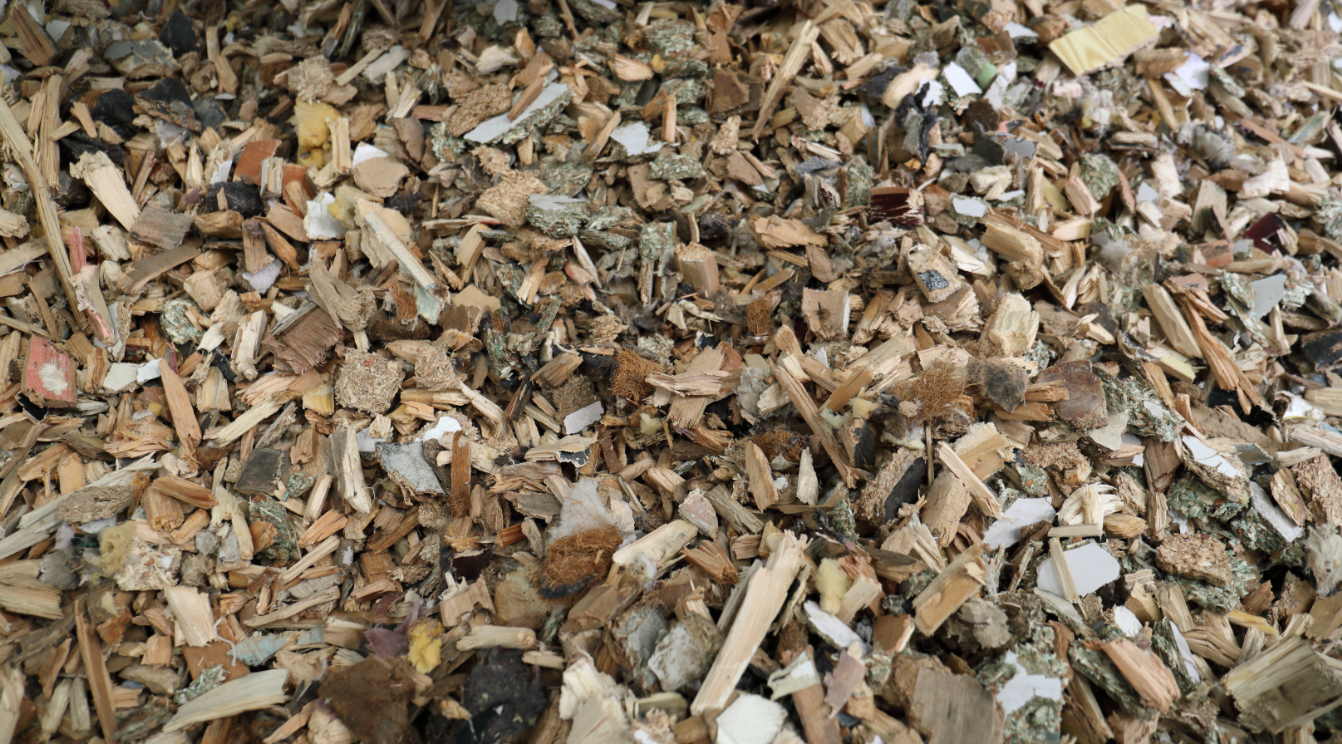
Air Separation & "Sorting": Our internal circulation air separation technology separates wood from light materials like fabric. This process is dust-free and 50% more energy-efficient than traditional equipment.
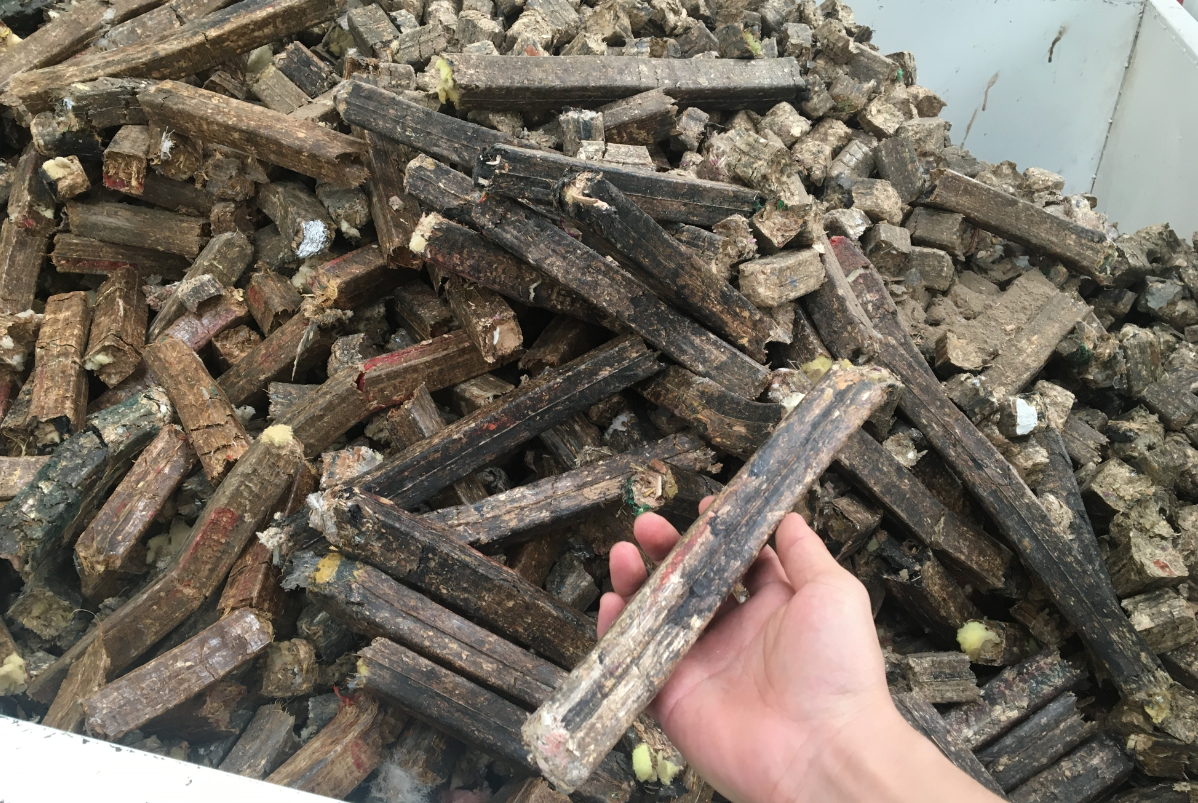
Compaction & "Energy Storage": The remaining materials are extruded under high temperature into RDF (Refuse Derived Fuel) pellets/rods. These serve as a coal substitute for power plants, achieving a transition to clean energy.
From "shredding" to "resource recovery," the entire process takes only minutes, truly achieving the goal of extracting maximum value from every scrap of waste.
II. Proven Success: Reducing Volume by 172 Standard Swimming Pools
At the Bulky Waste Treatment Center in Baiyun District, Guangzhou, Harden’s fully automated integrated processing equipment has delivered remarkable results:
Processed over 30,000 vehicle loads of furniture—enough to cover two football fields if stacked.
Recovered 20,000 tons of resources, equivalent to saving 30,000 mature trees.
Reduced landfill volume by 430,000 cubic meters, roughly equal to 172 standard swimming pools.
Served over 100,000 people, effectively solving the pains of "difficult disposal and slow removal."
This project has become Guangzhou’s first educational base for bulky waste recycling and has attracted study tours from over 10 provinces, including Hebei and Shandong.
In Daxing, Beijing, another Harden-built disposal center handles an average of 160 tons per day with a 100% resource utilization rate, setting a national industry benchmark.

III. Hardcore Technology: 160 Patents Powering Resource Recovery
As one of the few domestic companies capable of providing complete RDF/SRF production lines, Harden’s strength lies in continuous innovation:
Global Expertise: Integrating German shredding technology with European solid waste management experience, we have secured over 160 authorized patents.

Next-Gen Equipment: We recently launched the SG3000MP (a one-step shredder that replaces multiple machines) and the SG3000RF (a high-capacity fine shredder with an output of 20 tons/hour).
Precision Output: Our "Twin-Shaft + Single-Shaft" dual-stage shredding concept ensures that 95% of the output meets particle size standards, making it adaptable to the most complex bulky waste scenarios.
